For many Australians, collecting rainwater from roof tops is the main source for your drinking water. Due to the harsh Australian climate, to help combat the heat that can be generated from the hot summer sun, our houses (water collection points) and water tanks are...
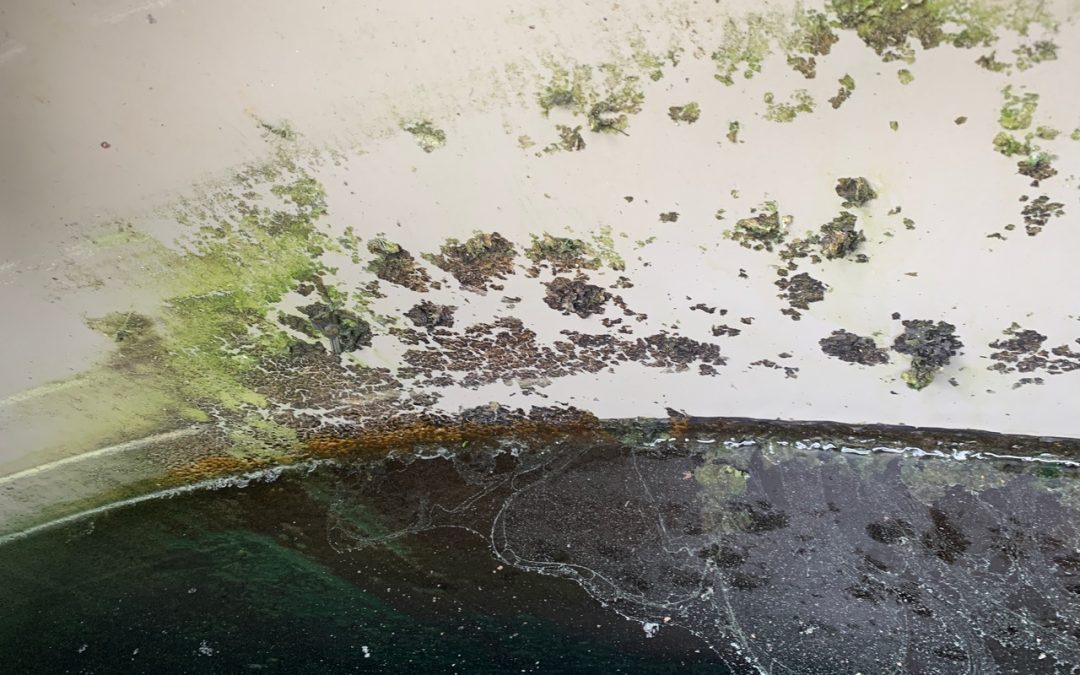
How to prevent Algae in your Rainwater Tank One of the common problems we encounter for customers who use rainwater tanks as their primary water source is Algae. While many algae forms may be harmless, some produce unpleasant toxins creating nasty taste and odour and...
If you run a business that operates under Food and Beverage regulations, and you rely on rainwater tanks or ground water, then it is imperative that you have a Water Supply Management Plan in place. For businesses that offer food and beverage facilities and don’t have...
Since the early 1900s, Chlorine has been used to sanitise public water supplies. The introduction of the chemical significantly reduced the number of deaths caused by waterborne diseases such as typhoid, cholera, and dysentery. Chlorine might be the only effective...
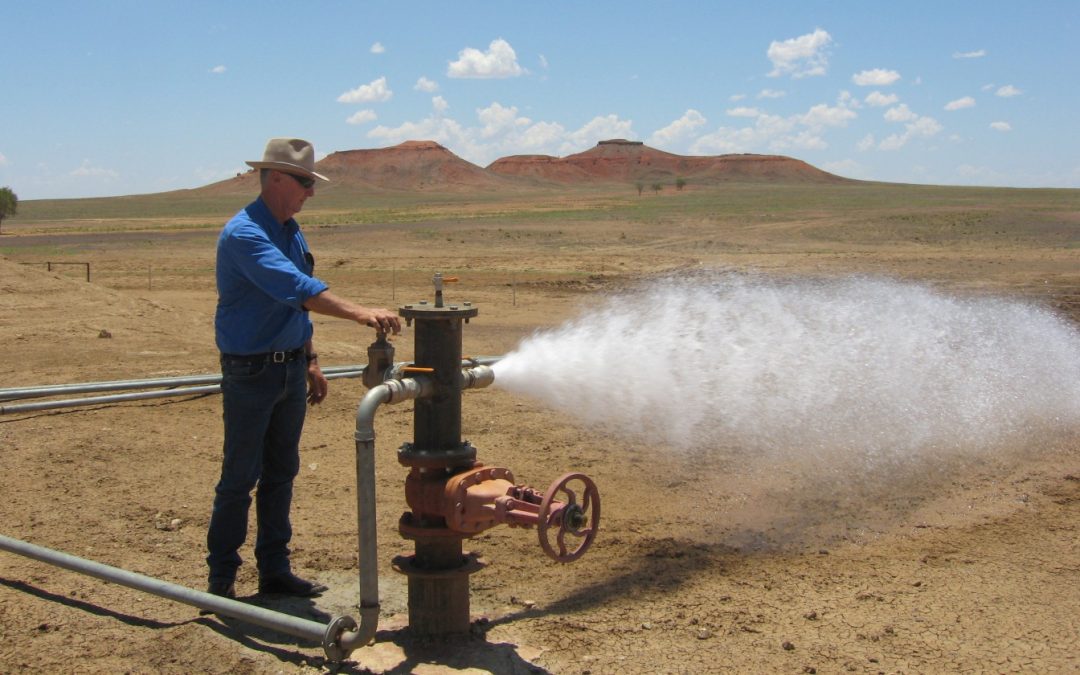
What is the Quality of the Water your Livestock is Drinking? Regular testing of your water supply and cleaning of water tanks will improve the quality of water your livestock are drinking, reducing stress in the animal and ensuring they are fit and healthy. Drought or...
Kerosene has traditionally been used in rainwater tanks to help fight off mosquitos breeding. Generations of farmers who are staunch advocates of the process can cite decades of the practice as having little effect on their health. But it isn’t the old hardened farmer...