

Know Your Water Source
Access to safe and reliable water is essential for every household and business. In Australia, many people rely on rainwater and groundwater in addition to mains water supply. Understanding the differences between water sources, their quality, and how to safely store, sanitise and maintain a healthy water supply is extremely important.
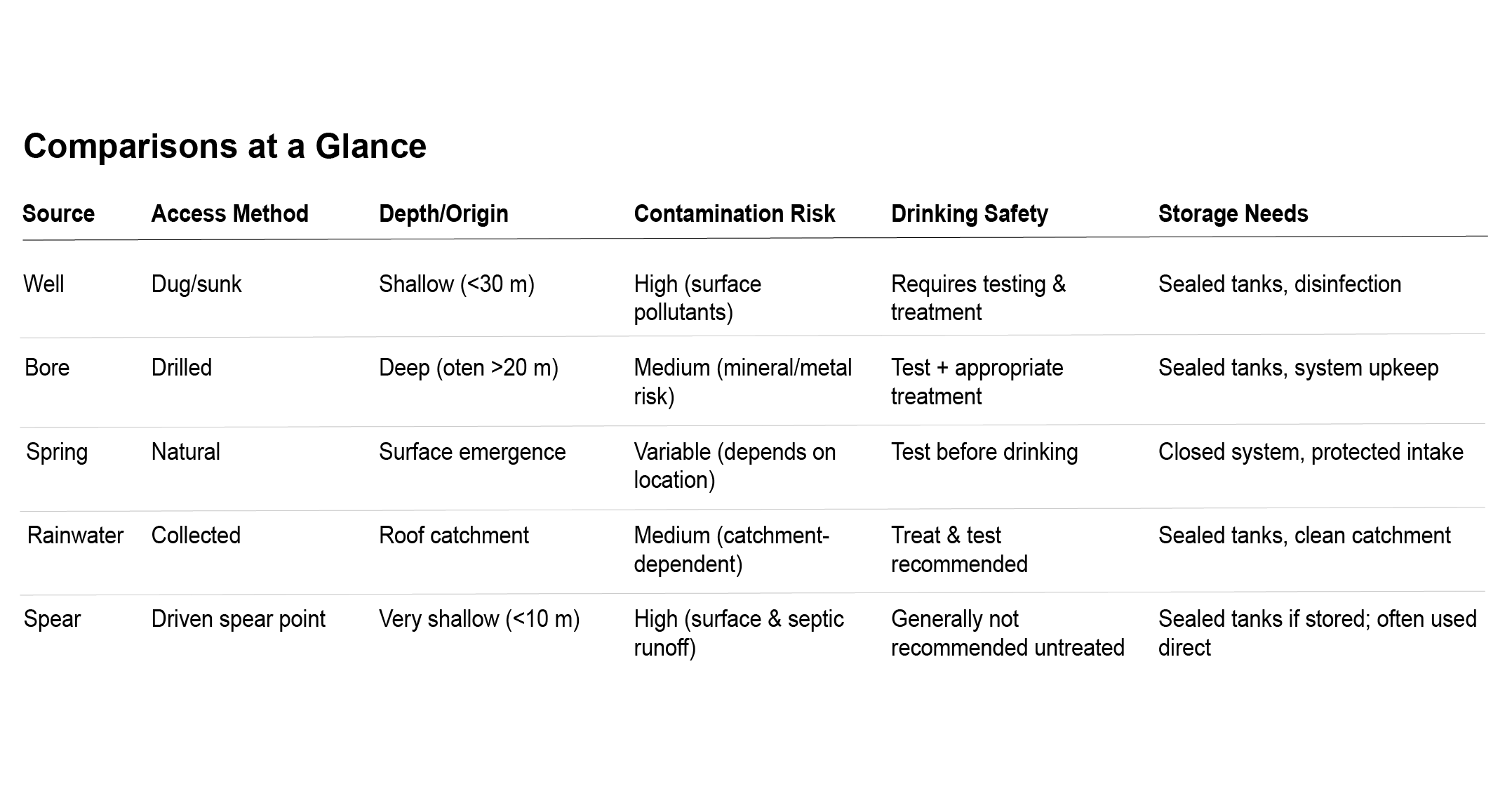
It begins with understanding where your water comes from. Is it off the roof after rain, from the ground, spear, bore, well or spring? Each source has distinct characteristics, benefits and considerations. The below guide breaks down common sources, essential insights on their use, quality, storage and safety.
Mains Water Supply
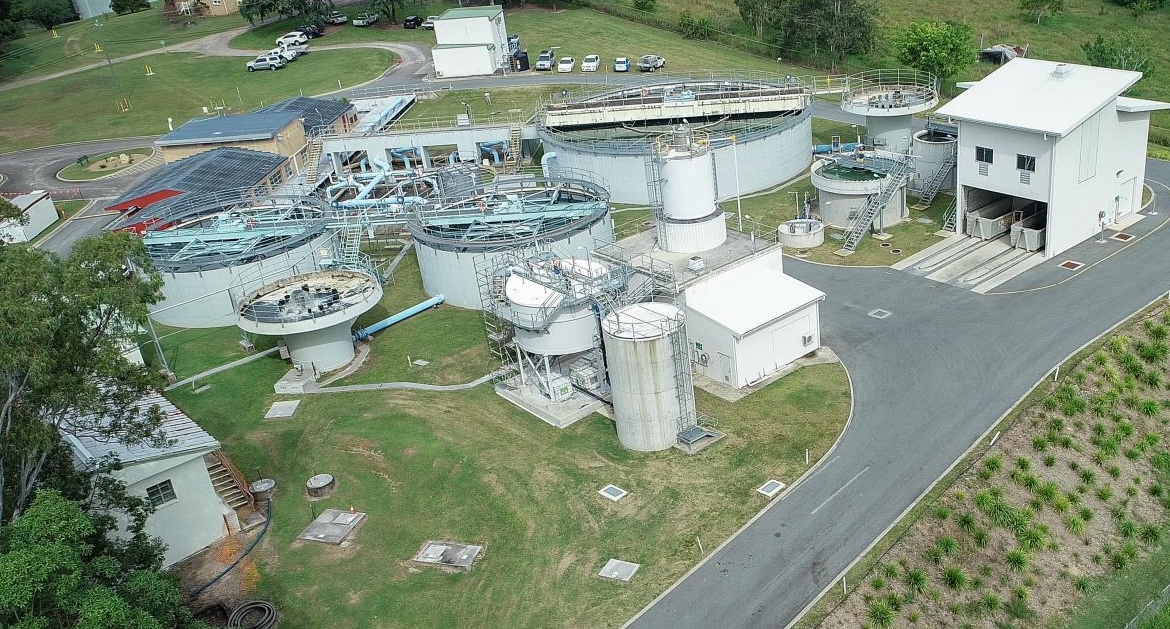
A mains water supply is the piped water system provided by local councils or water utilities, delivering treated drinking water directly to homes and businesses. It is sourced from dams, rivers, groundwater, or desalination plants, then processed through treatment facilities to meet the Australian Drinking Water Guidelines (ADWG).
- Ensuring safe, reliable, and consistent in quality, with regular monitoring for microbes, chemicals, and physical properties.
- Mains supply is centrally managed, regulated, and maintained by authorities.
- End user tap water contains chlorine or chloramine for disinfection. May also contain fluoride and Aluminium Sulfate (Alum)
- The correct filtration can be installed to remove or reduce unwanted contaminants such as heavy metals and chlorine.
Rainwater
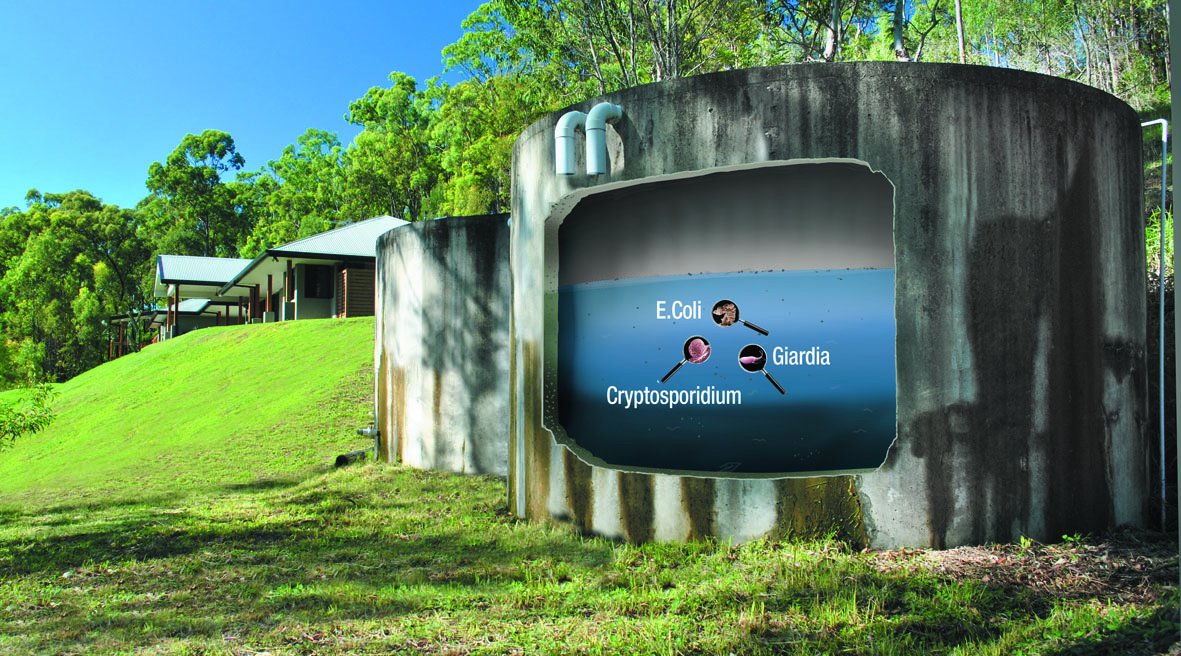
Rainwater is water collected from rooftops or other catchment surfaces and stored in tanks for household or agricultural use. It is a sustainable and widely used source, particularly in rural and semi-urban areas. While generally clean when properly collected, rainwater can pick up contaminants such as leaves, bird, animal droppings, or pollutants from roof surfaces, so storage in sealed, food-grade tanks and regular inspection and maintenance is important. For drinking purposes, filtration and disinfection are recommended to ensure safety.
- Use: Widely used in rural and semi-urban areas as the primary household water supply.
- Risks: Quality depends on catchment condition — roof materials, leaf litter, bird and animal droppings, and airborne pollutants can affect water safety. Low pH or acidic water (soft and corrosive) may occur in some instances E.g. Colorbond roof and poly tank.
- Drinking: Generally safe if catchments are well-maintained and tanks are properly sealed. Filtration and UV disinfection are recommended.
- Storage: Requires food-grade tanks with tank inlet and overflow screens, mosquito-proof screens, and regular inspections (ever 6 months) and cleaning (every 2-3 years).
Bore Water
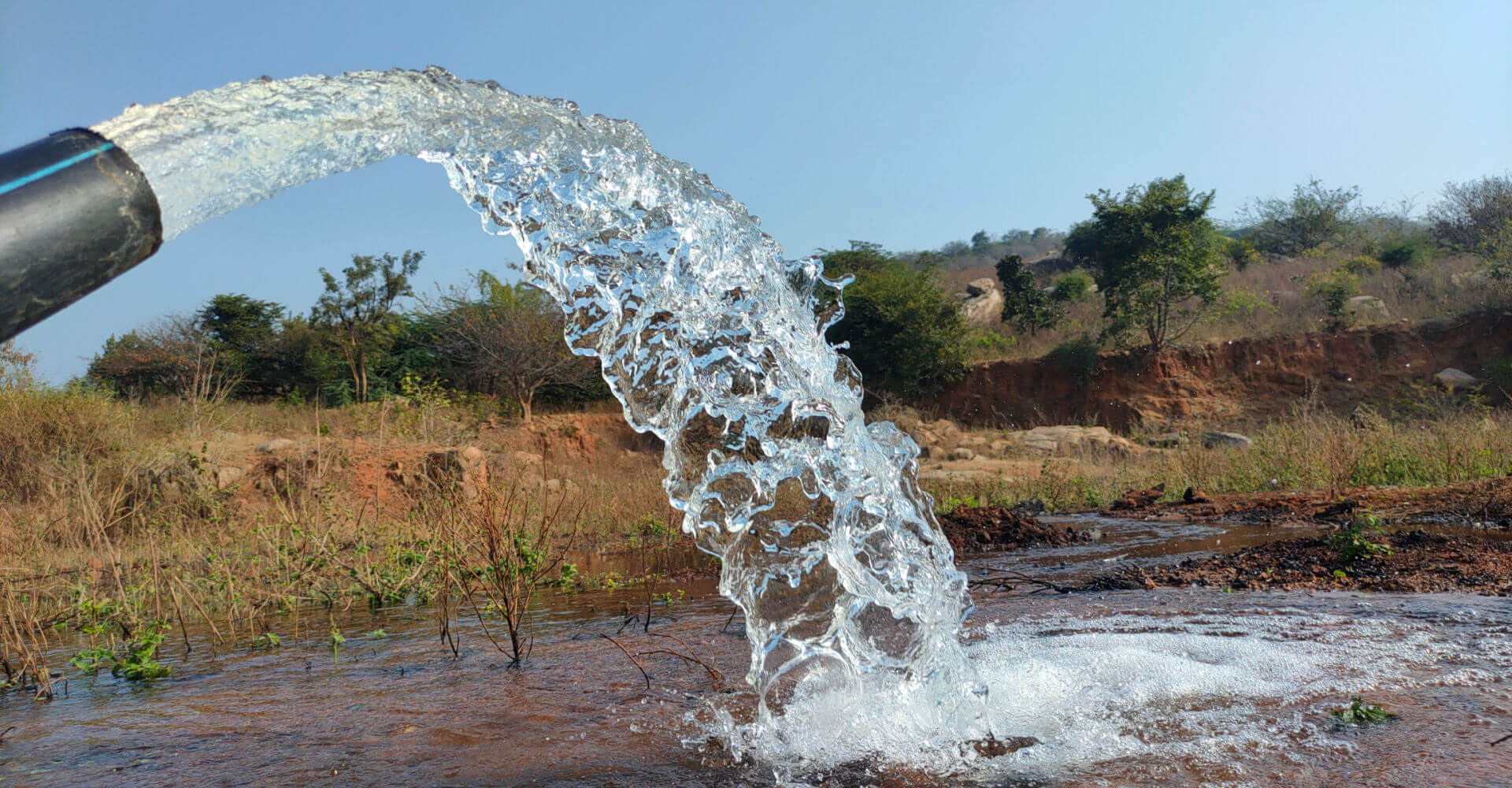
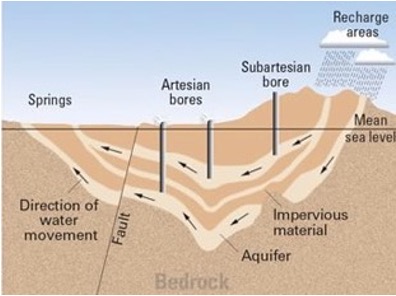
Bore water is groundwater accessed by drilling a narrow, often deep, hole into an aquifer, typically lined with casing to maintain water quality and prevent collapse. It provides a more reliable and consistent supply than shallow wells, making it common for household, agricultural, and irrigation use. Bore water can naturally contain minerals, salts, or trace metals depending on the geology, so testing and treatment may be necessary before drinking. Drilling and use are usually regulated, requiring licences in most Australian states.
- Typical depth: 20m to several hundred metres.
- Use: Common across regional Australia for household supply, irrigation and livestock watering.
- Risks: May contain dissolved salts, heavy metals, or natural contaminants such as arsenic and fluoride depending on geology.
- Drinking: Requires testing before human consumption. Many households use filtration, water softeners, UV treatment, or reverse osmosis systems to ensure water safety and quality. Licensing is required to drill a bore in most states.
- Storage: Pumped into closed tanks. Sealed storage prevents dust, insects, and animal access. Tanks require regular inspections (ever 6 months) and cleaning (every 2-3 years).
Spring Water
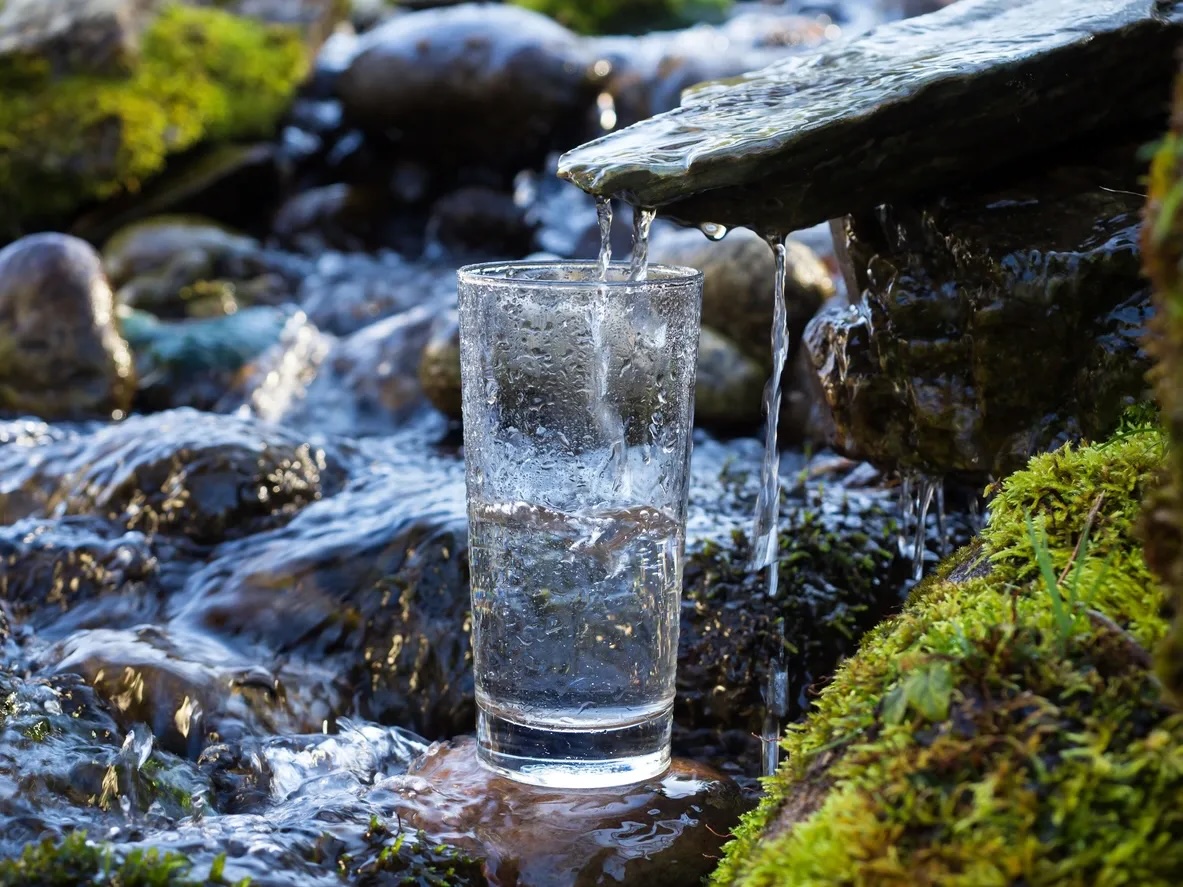
Spring water is groundwater that naturally flows to the surface through cracks or porous rock formations, often in valleys or hillsides. It is valued for its natural filtration through soil and rock, which can give it a clean taste and unique mineral content. However, despite its pure image, spring water can still be affected by surrounding land use, animal activity, or runoff, so testing is essential if it is to be used for drinking and even bottling.
- Use: Historically prized as a pure source for drinking. Bottled “spring water” in Australia must come directly from such sources.
- Risks: Despite natural filtration, springs can be contaminated by animal activity, agriculture, or industrial land use.
- Drinking: Must be tested to meet ADWG standards. Bottled spring water is also regulated by Food Standards Australia New Zealand (FSANZ).
- Storage: Ideally piped into closed tanks. Open pools or troughs risk contamination by wildlife or algae.
Well Water
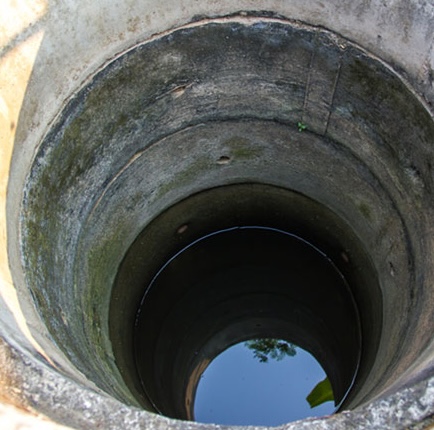 Well water is groundwater accessed by digging or sinking a hole into the earth, usually to a relatively shallow depth (often less than 20–30 metres). It relies on the natural water table and is typically cheaper and easier to construct than a bore. However, because of its shallow nature, well water is more vulnerable to contamination from surface runoff, septic systems, animal faeces and agricultural chemicals, making regular testing and treatment essential if it is intended for drinking.
- Typical depth: Less than 20–30 metres.
- Use: Traditionally used for households and small farms.
- Risks: Shallow depth makes wells more vulnerable to contamination from surface runoff, septic systems, and agricultural chemicals.
- Drinking: Can be safe if regularly tested and treated; however, untreated well water often fails to meet the Australian Drinking Water Guidelines (ADWG).
- Storage: Best pumped into a sealed, food-grade tank with regular disinfection. Tanks require regular inspections (ever 6 months) and cleaning (every 2-3 years).
Spear Water
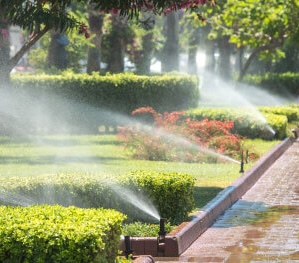
Spear water is groundwater accessed using a “spear point” system, where a narrow pipe with a screened tip is driven into shallow sandy aquifers, typically less than 10 metres deep. It is a relatively low-cost method for obtaining small volumes of water, often used for garden irrigation or lawn watering rather than drinking. Because spear points only reach shallow groundwater, the supply can be unreliable in dry periods and is more vulnerable to contamination from surface activities, so it is generally not recommended as a potable source without proper testing and treatment.
- Coastal plains and dunes often have loose, sandy soils and shallow groundwater tables, making it easy to drive a spear pipe down to water.
- Inland areas with clay, rock, or hard soils are unsuitable because the spear cannot penetrate and the groundwater table and may be much deeper.
- Spears generally only work be near coastal regions because that’s where the sandy geology and shallow aquifers make them viable. Where the water table is within 3–9 metres of the surface, which tends to occur near coastlines, river flats, or alluvial plains.
- Use: Spear water is most often used for garden irrigation, lawns, and small-scale outdoor use due to its relatively low cost and ease of installation.
- Risks: Because spear points only reach shallow groundwater, supply can be unreliable in dry conditions and highly susceptible to contamination from surface runoff, septic systems, fertilisers, and nearby land use. Water quality can vary significantly depending on location and season.
- Drinking: Spear water is generally not recommended for drinking without thorough testing and treatment. Shallow aquifers are more exposed to microbial and chemical contamination, and the water does not undergo natural deep filtration like bore water. Where testing shows contamination, treatment options such as UV disinfection, filtration, or reverse osmosis may be required — often making mains, rainwater, or deeper bore sources more practical.
- Storage: For irrigation purposes, spear water is often used directly without long-term storage. If stored, spear water should be pumped into sealed, food-grade tanks to prevent additional contamination from animals, insects, or dust. Tanks should be cleaned regularly, and water intended for household use should be disinfected before consumption.
Safe Water Storage, Treatment and Practices – Key Points
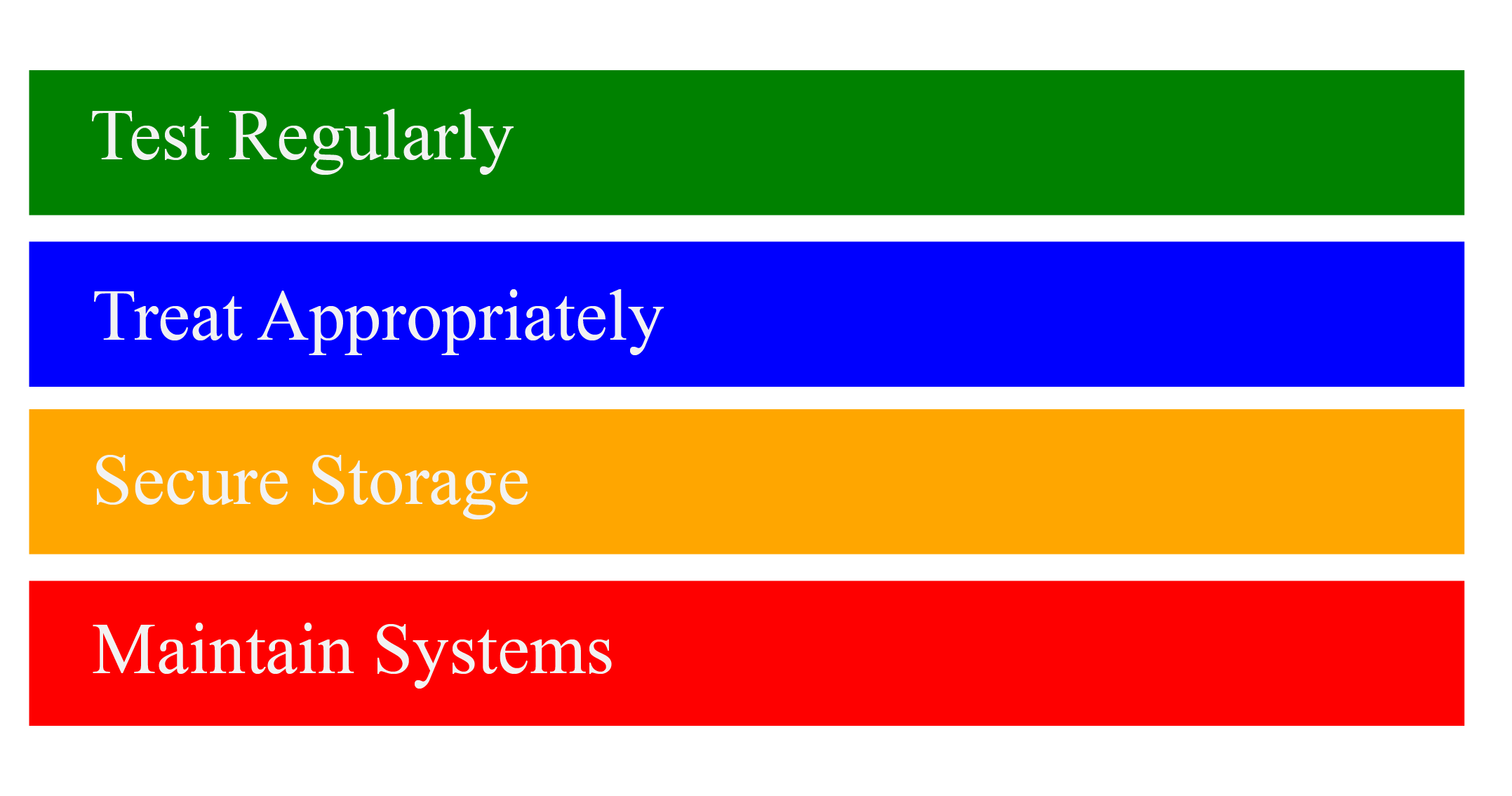
- Test Regularly: Annual testing for microbiological and chemical hazards is highly recommended, especially when using for human consumption.
- Treat Appropriately: Use sanitiser, filtration, UV system to address specific contaminants.
- Secure Storage: Use sealed, food-grade tanks (poly, stainless steel, or concrete) that block sunlight, pests, and debris are a must. Install insect, mosquito-proof screens, leaf and light guards.
- Maintain Catchments & Systems: Clean rooftops, gutters, pipework and storage tank; service and maintain systems per manufacturer guidelines.
- Know Regulations: Licensed drilling, spring water bottling, and commercial supply require compliance with ADWG, FSANZ, and local health authority standards.
In Summary
Understanding your water source empowers you to manage its safety and reliability. Each has unique benefits and risks, but with proper testing, treatment, and storage, you can ensure a consistent, safe and reliable potable supply for your household or business.
- Rainwater – sustainable and common, requires careful collection and storage. Should be regularly inspected and maintained.
- Well water – shallow, prone to contamination, needs treatment.
- Bore water – deeper, more reliable, may contain dissolved minerals.
- Spring water – naturally flowing, can be very clean but still requires testing.
Contact Us
Contact Pristine Water Systems today with any questions about your water tank systems.